


Transforming your workspace: Why you should consider having wall-art at your office
- Jun 24
- 4 min read
The environment we inhabit directly influences our mindset, creativity, and daily energy. While many professionals spend hours selecting the perfect ergonomic chair or the fastest laptop, the walls of the workspace are often left entirely blank or generic. If you want to elevate your daily routine, reduce stress, and make a lasting impression on everyone who walks through your door, you need to rethink your vertical space. Here is why you should consider having wall-art at your office to completely redefine your working environment.
The psychology of productivity and stress reduction
A sterile workspace can inadvertently stifle creative thinking and increase feelings of cognitive fatigue. Incorporating fine art photography—particularly expansive landscapes or striking cityscapes—acts as a visual escape valve.
Studies in environmental psychology show that viewing natural scenes reduces cortisol levels, lowers blood pressure, and helps restore focus after intense periods of deep work. Font: Research.gate
When you look up from a complex spreadsheet and your eyes rest on a misty mountain sunrise or the sweeping architecture of a historic city, your brain experiences a brief, restorative pause. This micro-break is not a distraction; rather, it is a proven method to recharge your mental battery, allowing you to return to your tasks with renewed clarity and efficiency.
Breaking the ice: Fine art as a catalyst for meaningful conversations
One of the most overlooked benefits of introducing high-quality prints into a corporate or home workspace is their social power. The right piece of art functions as a brilliant tool for initiating organic "small talk" among coworkers, stakeholders, and clients.
When a client walks into your office for a meeting, a striking photograph immediately breaks the ice. Instead of diving straight into tense business negotiations or resorting to predictable weather talk, a conversation might spark around the story behind the image. They might ask where the photograph was taken, share their own travel memories, or comment on the play of light. This immediate, shared human connection builds rapport and sets a collaborative, welcoming tone for the entire meeting.

Defining your brand and professional identity
Your office is a physical extension of your brand, values, and personal identity. Leaving the walls empty can project an image of transience or a lack of attention to detail. Conversely, curated landscape photography tells a story of intentionality, sophisticated taste, and a global perspective.
For creative agencies: Dynamic cityscapes can reflect energy, innovation, and a fast-paced drive.
For wellness or legal practices: Serene, minimalist coastal horizons or forest paths can project calm, stability, and deep trust.
Investing in fine art prints demonstrates that you value quality in every facet of your professional life, subliminally signaling that same commitment to quality to your clients.
Choosing the right art for your office layout
Selecting the perfect piece involves understanding the layout of your space and the specific mood you wish to cultivate.
Large statement pieces for reception areas
The entrance of your office creates the critical first impression. A massive, high-contrast landscape print creates a sense of wonder and professionalism the moment someone crosses the threshold.
Calming horizons for your direct line of sight
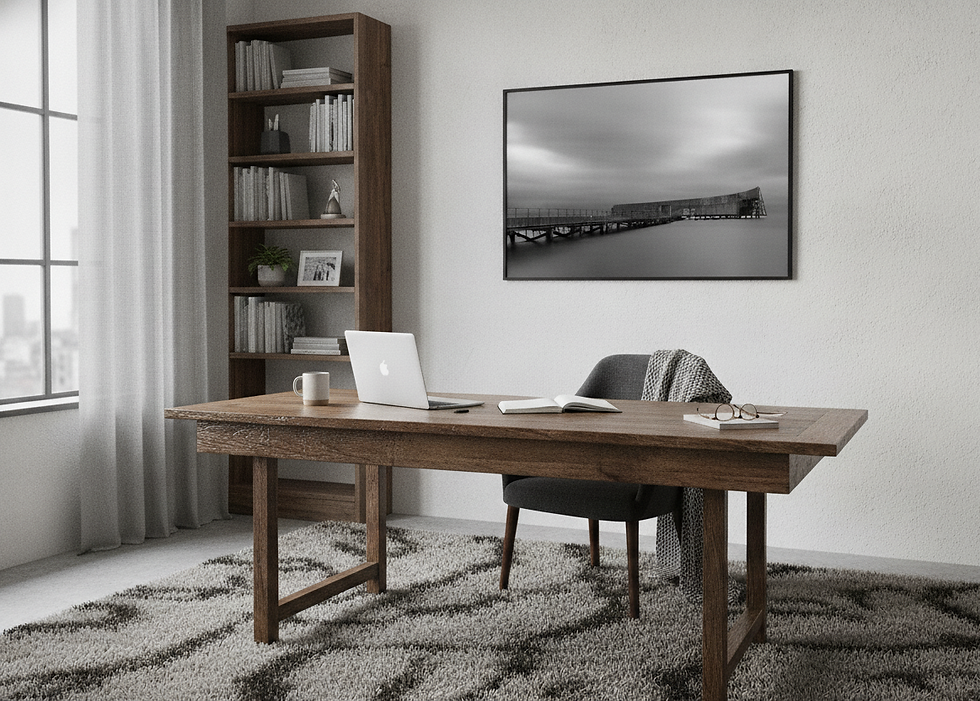
For the wall directly facing your desk, consider softer tones and deep perspective lines. Coastal scenes, mountain ranges, or long-exposure waterscapes provide a sense of openness, effectively making small offices feel much larger and less restrictive.
Dynamic cityscapes for collaborative meeting rooms
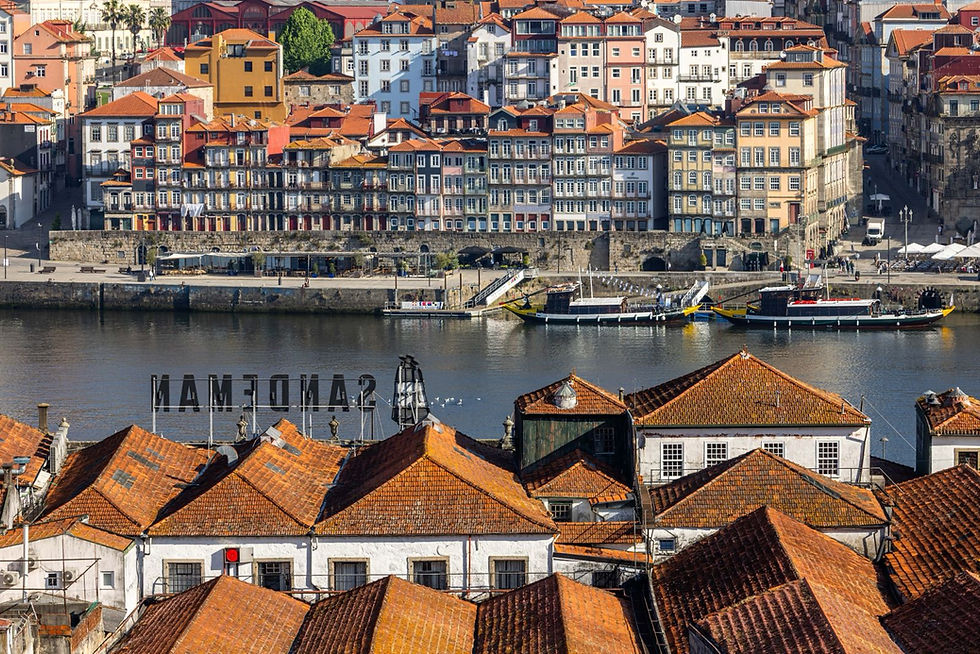
Spaces dedicated to brainstorming and teamwork benefit immensely from vibrant, structured imagery. A well-framed cityscape can inject rhythm and structural inspiration into the room, keeping energy levels high during long afternoon sessions.
The tangible value of premium acrylic and archival prints
When choosing art for a professional setting, the medium matters just as much as the subject. Low-quality posters or generic, mass-produced frames can diminish the professionalism of your space.
Opting for museum-quality archival prints ensures that the colors remain vivid and true for decades, without fading under harsh office fluorescent lighting or direct sunlight. Premium finishes, such as acrylic glass or fine art matte papers, reduce unwanted reflections while adding a sleek, contemporary depth that instantly commands respect.
Frequently asked questions about office wall-art
How do I choose the correct size of wall-art for my office?
As a general rule, your artwork should take up roughly 60% to 75% of the available blank wall space that isn't covered by furniture. For a large statement piece behind a desk or sofa, measure the width of the furniture and aim for a print that is about two-thirds of that total width to maintain a balanced visual proportion.
Should I choose framed prints or acrylic face-mounts for a modern office?
Traditional wooden frames with museum glass offer a classic, elegant, and timeless feel that works beautifully in executive or legal offices. Acrylic face-mounts provide a sleek, frameless, and modern look with vibrant depth, making them perfect for contemporary, tech-driven, or creative workspaces.
What type of photography is best suited for reducing workplace stress?
Photography featuring elements of nature—such as oceans, forests, mountains, or soft morning light—is highly effective at reducing stress. These elements introduce biophilic design principles into your office, which have been proven to enhance emotional well-being and lower anxiety levels in corporate environments.

Comments