


Private Photography Tours: how to choose a creative experience that fits
Updated: Oct 14
What if a photography tour helped you see familiar scenes with fresh eyes, rather than simply taking you from one viewpoint to the next? If you’re considering a private photography tour, you may be wondering whether a one-to-one session will suit your experience, whether your camera is good enough, and how guided learning compares with exploring on your own.
The difference is personal guidance shaped around how you want to photograph. With Nicholai Nielsen Photography beside you, you can practise noticing light, composing a frame, and capturing street, landscape, or cityscape scenes at a thoughtful pace. You don’t need advanced skills to begin. Curiosity and a camera are enough to start learning.
This guide explains what guided sessions can teach, who they suit, and how to decide between personal instruction and independent exploration. You’ll also find practical ways to prepare, from choosing a learning goal to bringing equipment you already know how to use. The aim is not just to make memorable photographs, but to develop a more considered way of seeing.
Key Takeaways
A private photography tour offers personal guidance to help you notice scenes and make more considered images.
Seeing, visual balance, framing, and choosing what belongs in the frame all shape a photograph.
Compare guided learning with independent exploration to find the approach and pace that suit your goals.
Prepare by bringing a camera you already know how to use and arriving ready to observe.
A private session with a local photographer can focus on street, landscape, or cityscape photography.
Table of Contents
What Does a Private Photography Tour Offer Beyond a Self-Guided Walk?
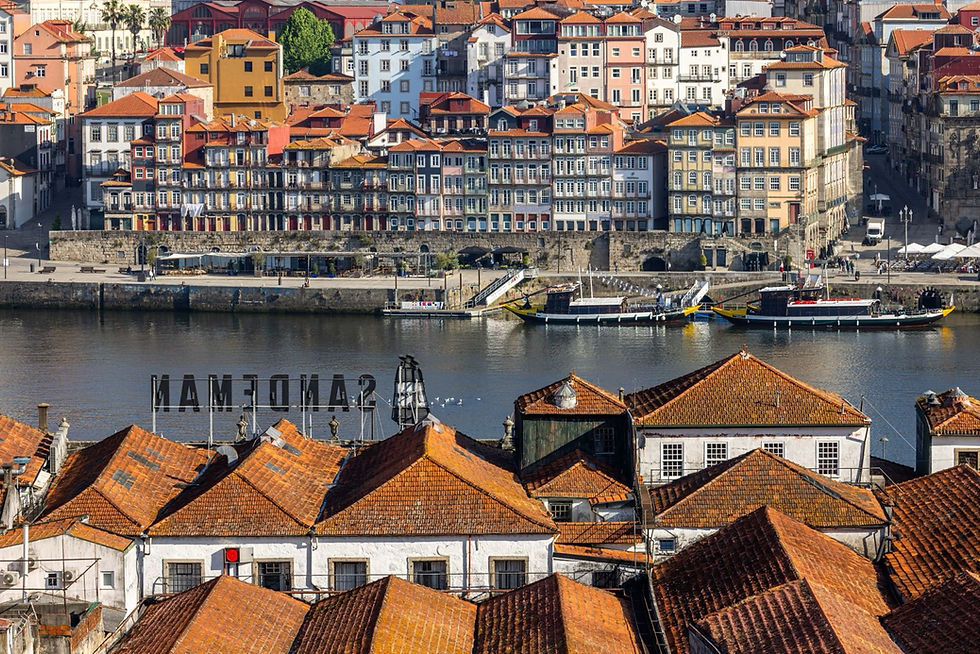
You may want to return from a trip with photographs that feel more personal than quick snapshots, while wondering what actually happens during a guided session. A private photography tour in Porto is a one-to-one learning experience with a photographer, centred on seeing a scene, composing a frame, and deciding how to capture it. Unlike a general sightseeing activity, its purpose is to help you make creative decisions as you photograph.
Exploring independently gives you the freedom to follow your curiosity and move at your own pace. With a photographer guiding your attention, you can pause to consider what draws your eye, what to leave outside the frame, and how a change of viewpoint might alter the image. The history and principles of photography offer helpful context, while guided practice connects those ideas with what you notice in the moment. A private tour is therefore both a chance to explore with your camera and an opportunity to learn through practice.

The session can focus on street, landscape, or cityscape photography, with learning grounded in observation rather than simply passing points of interest. You’re encouraged to look closely and make thoughtful choices, not to follow a sightseeing checklist or expect a particular photographic result. A private photography tour is a guided session that helps you see, compose, and capture images with personal instruction.
What makes a private photography session different?
Learning alongside a photographer gives you room to ask questions as scenes unfold. You might talk through why one framing feels balanced, what changes when you shift position, or how to simplify a busy view. Feedback helps you consider the effect of each choice, so you’re not only taking a photograph but also understanding how you approached it. That ongoing conversation is what distinguishes guided practice from simply walking with a camera.
Is a private photography tour suitable for beginners?
Yes. The learning begins with noticing, not with proving technical expertise. If you’re new to photography, approach a scene one decision at a time: identify what interests you, choose what belongs in the frame, then make the photograph. More experienced participants can use the same process to refine their compositions and become more deliberate about how they interpret a subject.
What Will You Learn About Seeing, Composing, and Capturing Images?
Photography begins before you press the shutter. In a guided session, you practise noticing what makes a scene compelling, then consider how to arrange its elements and capture the detail or relationship that caught your attention. Light is part of that observation: notice where it falls, what it reveals, and how it shapes the scene, without expecting particular conditions or results.
Composition shapes a photograph by guiding the viewer’s attention through the frame and showing how its elements relate. This gives you a practical way to look again, whether you’re photographing a changing street scene or a quiet landscape. Instead of relying on instinct alone, you can make deliberate choices about what to include and where to place it.
How does composition change the way you photograph a scene?
Start by asking what you want the viewer to notice. A line might lead the eye towards a subject; shifting your position could balance that subject against open space. Consider the foreground and background, too. A nearby detail may add depth, or it may compete with what matters. These are ways to explore framing, not fixed rules. During a private photography tour, you can discuss your choices as you make them and learn to recognise which arrangement best expresses your intention.
Observation and composition work together. You might notice a patch of light separating one form from another, or a shadow adding contrast. Rather than chasing a guaranteed effect, practise responding to what’s actually in front of you. A photographer can help you slow down, compare possible frames, and understand how small changes in viewpoint or timing alter an image.
What photography subjects can the session explore?
The learning focus includes street, landscape, and cityscape photography. Before booking, consider which subjects naturally draw your attention: people and everyday movement in public spaces, broad natural views, or the forms and relationships within built environments. You don’t need a polished plan. Naming what interests you simply gives the session a useful creative starting point.
Think beyond the photographs you hope to make and consider what you’d like to learn to notice. A private photography tour and workshop helps you explore your interests through guided practice, with attention to seeing, composing, and capturing images.

How Do You Decide Whether a Private Tour Matches Your Photography Goals?
The right choice depends less on how advanced you are and more on what you want to learn while photographing. A private photography tour offers personal guidance as you practise; independent exploration gives you the freedom to follow your curiosity without instruction. Both can be rewarding. Ask yourself whether feedback and another photographer’s perspective would help you make sense of your creative choices.
What matters to you | Private guided session | Independent exploration |
Learning | Practise seeing, composing, and capturing images with guidance. | Experiment and learn through your own observation and review. |
Personal guidance | Ask questions and receive feedback as you photograph. | Choose your own direction without a guide’s input. |
Subject interests | Focus your attention on street, landscape, or cityscape photography. | Move between subjects as your curiosity leads. |
Preferred pace | Make time to consider your choices with a photographer alongside you. | Set your own rhythm and decide when to pause or move on. |
Private guidance or independent photography: which suits you?
Choose a private photography tour if you’d like to learn while photographing and value feedback on your decisions. A beginner might welcome help thinking through a frame; a developing photographer may want to understand why a composition feels unbalanced; a confident photographer might seek a fresh perspective on familiar subjects. Independent exploration may suit you if you’d rather experiment on your own and let the day unfold without instruction. Neither approach guarantees better images, but each offers a different way to engage with photography.
Which photography goals should you bring to the session?
Start with a subject or skill you’re genuinely curious about, such as composition, street scenes, landscapes, or cityscapes. Then name a challenge you’ve noticed in your own work. Perhaps you find it hard to simplify a busy frame, choose a viewpoint, or decide what deserves attention. Bringing a goal to your session gives you a useful starting point for guided practice, while leaving room to follow new details that catch your eye.
After the session, reflect on more than the photographs themselves. Consider what you noticed, which choices you tried, and what you’d like to explore next. If you know what you want to learn, choose an experience that makes room to practise it.
How Can You Prepare for a Private Photography Tour?
A little preparation can help you arrive ready to look closely, experiment, and make the most of personal guidance. You don’t need advanced equipment or a long list of technical questions. Bring a camera you’re comfortable using, decide what you’re curious about, and give yourself permission to slow down and practise.
What camera equipment should you bring?
Use the camera you already know how to operate, along with equipment you normally carry and feel comfortable using. Familiar controls mean you can spend less time searching through settings and more time noticing the scene. Advanced gear isn’t a prerequisite for learning to frame thoughtfully or recognise what draws your eye. The camera is a tool; observation and composition shape the choices you make with it.
How can you make the most of the learning experience?
Tell your photographer what you enjoy photographing and where you feel uncertain. A specific question, such as how to simplify a busy frame or make a subject stand out, gives you something practical to explore together. Then give yourself time to try an idea more than once, noticing how light, framing, and subject choice influence the image.
Use this short checklist to prepare:
Bring your familiar camera. Pack the camera you already know how to use and the equipment you usually bring along.
Choose one or two learning goals. You might want to practise composition, pay closer attention to light, or become more deliberate about what you include in a frame.
Name your subject interests. Consider whether street, landscape, or cityscape photography most sparks your curiosity.
Think of a current challenge. Recall a moment when you weren’t sure how to approach a photograph. It can become a useful starting point for discussion and practice.
During the session, resist the urge to rush from one photograph to the next. Pause after making an image and ask yourself what first caught your attention, how you framed it, and what you might change. These small reflections turn practice into learning and help you carry a more thoughtful way of seeing into future photographs.
Ready to put your questions and interests at the centre of your learning? Explore private photography tours and workshops.
What to Expect When Booking a Private Photography Tour
A private photography tour is guided instruction led by a local photographer. Rather than focusing on a sightseeing checklist, the experience centres on how you look at a scene, compose an image, and decide how to capture it. The learning can explore street, landscape, or cityscape photography, giving you room to connect creative practice with the subjects that interest you.
Personal guidance can make the experience relevant whether you’re just beginning or already comfortable behind a camera. You can practise noticing what draws your attention, consider how to frame it, and learn through the choices you make as you photograph. The aim isn’t to promise a particular image, but to help you approach image-making with greater intention and a fresh perspective.
Who is likely to enjoy a guided photography experience?
Travellers who want to develop their photography while exploring with a knowledgeable guide may value the chance to learn in the moment. Beginners can focus on observation and composition, while more experienced photographers can bring questions about their visual choices and look at familiar subjects in a new way. In either case, the emphasis is on learning photography, not simply moving from one sight to another.
How can you take the next step?
Before booking, reflect on your skill level, the subjects you most want to photograph, and one or two goals for your learning. You might want to become more deliberate about composition, explore street scenes, or practise looking at landscapes and cityscapes with fresh eyes. Knowing what interests you can help you approach the session with curiosity and purpose.
To explore the experience and take the next step, visit the private photography tour booking page on this site. Consider what you’d like to notice, compose, and capture, then book if personal guidance feels like the right fit. Bring your curiosity and let each scene become an opportunity to see more thoughtfully.
Take Your Next Creative Step
The best photography experience is one that fits what you want to learn. Independent exploration gives you freedom to follow your curiosity, while a private guided session adds personal instruction and space to reflect on your choices as you photograph. Consider which subjects draw your eye and which skills you’d like to develop.
Sessions led by a local photographer focus on seeing, composition, and capturing images, with street, landscape, and cityscape photography among the creative directions to explore. You don’t need to arrive as an expert. A clear interest, a camera you know, and an openness to looking more carefully can give your learning a meaningful starting point.
If personal guidance feels like the right fit, explore the private photography tour and take your next creative step. Bring your curiosity and let each frame help you see with greater intention.
Frequently Asked Questions
What happens during a private photography tour?
A private photography tour is a guided session focused on seeing, composing, and capturing images. A local photographer helps you notice what draws your eye and consider how your visual choices shape a photograph. The subject matter can include street, landscape, and cityscape photography. Rather than focusing only on memorising camera settings, you learn through looking carefully and making considered images as you explore.
Can I join a private photography tour with my own camera?
Yes, bring the camera you already know how to use, along with any accessories you normally carry. Familiar equipment lets you focus on the scene instead of getting used to unfamiliar controls. You don’t need advanced gear to learn to frame thoughtfully or notice how elements relate within an image. Careful observation, composition, and a clear sense of what interests you are valuable starting points.
Do I need photography experience before booking a private tour?
No, advanced experience isn’t necessary. Beginners can practise noticing a subject and deciding how to frame it, while more experienced photographers can reflect on their visual choices and explore a fresh perspective. Before booking, consider what you’d most like to photograph, whether street scenes, landscapes, or cityscapes. A simple goal can help you approach the session with purpose, whatever your current skill level.
What can I learn from a private photography tour?
You can practise seeing a scene, composing an image, and capturing it with intention. Sessions explore street, landscape, and cityscape photography, with guidance that helps you think about what catches your attention and how you want to frame it. The value is in learning through observation and creative choices, not in expecting a guaranteed set of photographs. This practice can help you develop your own way of seeing.
Is a private photography tour different from a photography course?
A private tour is a guided, hands-on experience where you learn while photographing, with a focus on seeing, composition, and capturing images. A course may follow a more topic-centred structure, exploring areas such as manual camera mode, composition, or the use of light. Consider whether you’d prefer to learn through making photographs in a guided session or through a more structured course of instruction.
What should I bring on a private photography tour?
Bring the camera you’re familiar with and any accessories you ordinarily use. Before the session, think of a subject you enjoy photographing and one skill you’d like to develop, such as framing or noticing light. You don’t need a detailed plan or specialist equipment. Curiosity, attention to the scene, and a willingness to experiment offer a useful foundation for learning with a photographer.

Comments